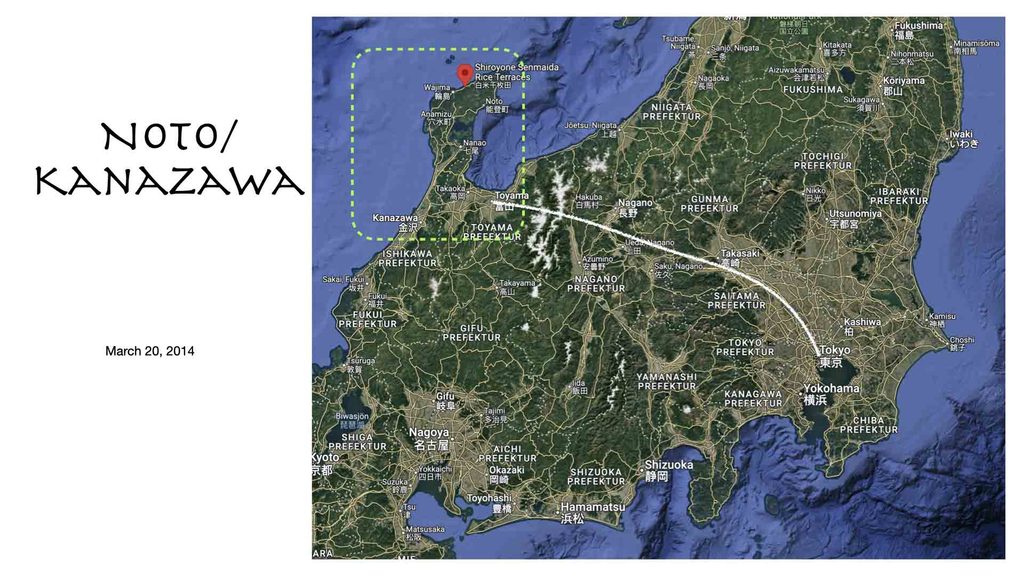
2014, April 14. The journey begins with a train ride from Tokyo to Toyama. From there, a rental car takes you north to the Noto Peninsula and then straight south to Kanazawa, the capital of Ishikawa Prefecture. A text accompanying the photos is available here.
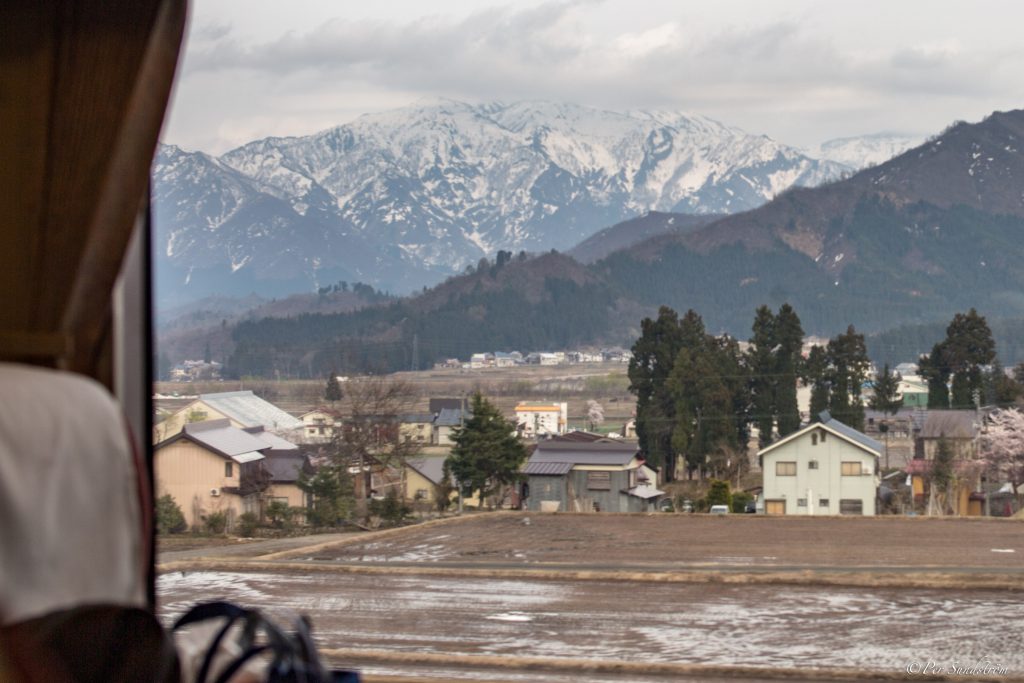
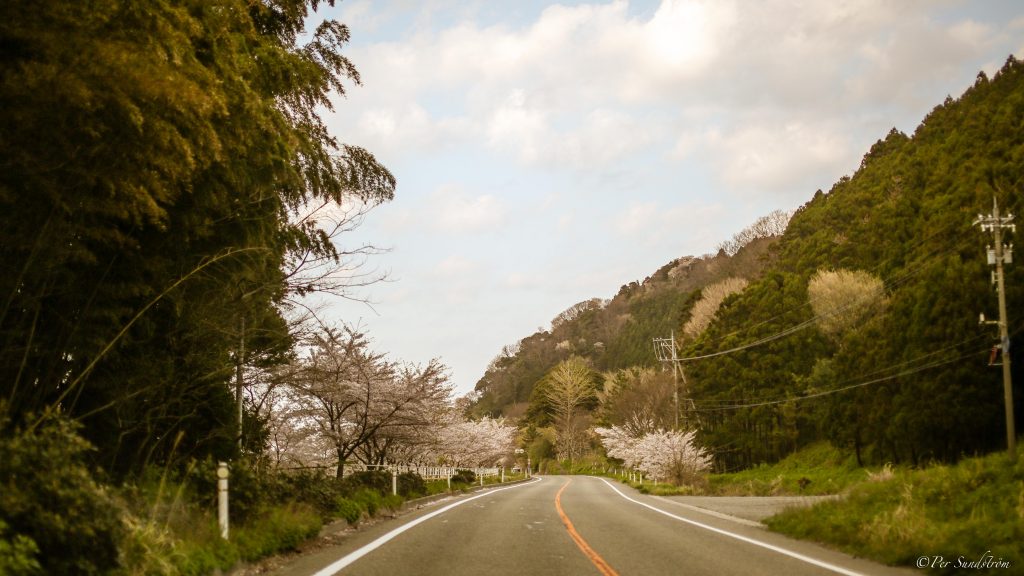
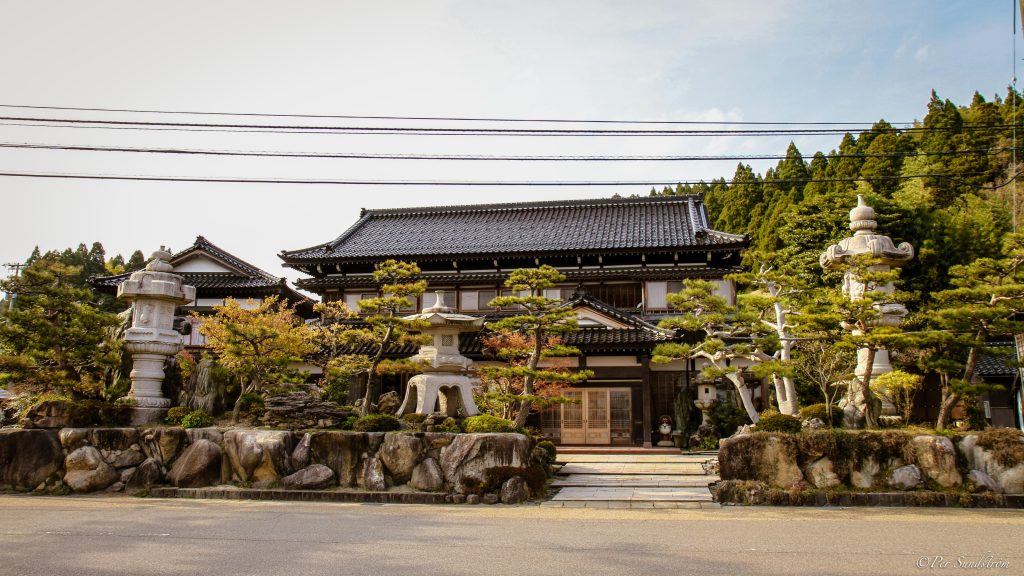
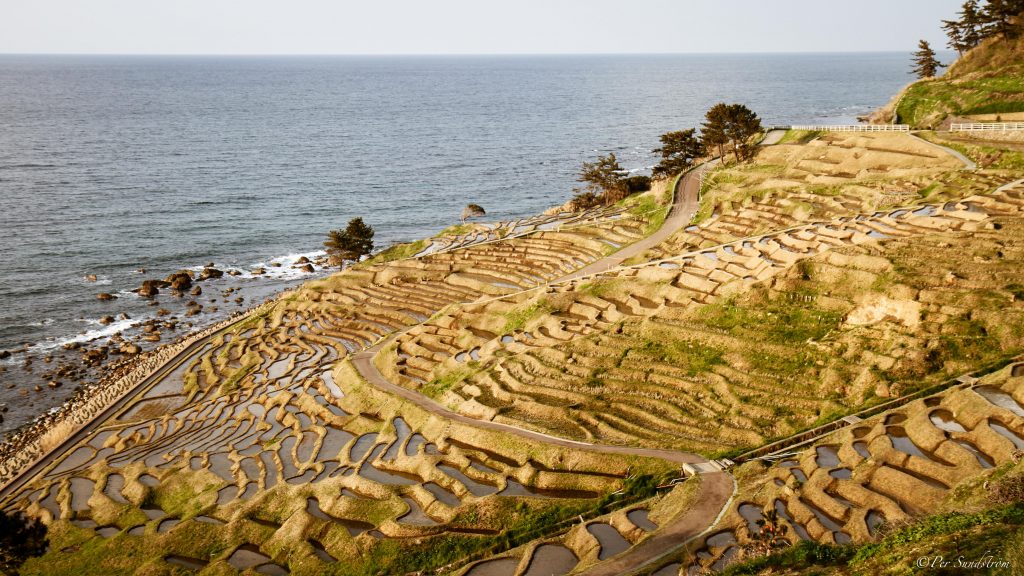
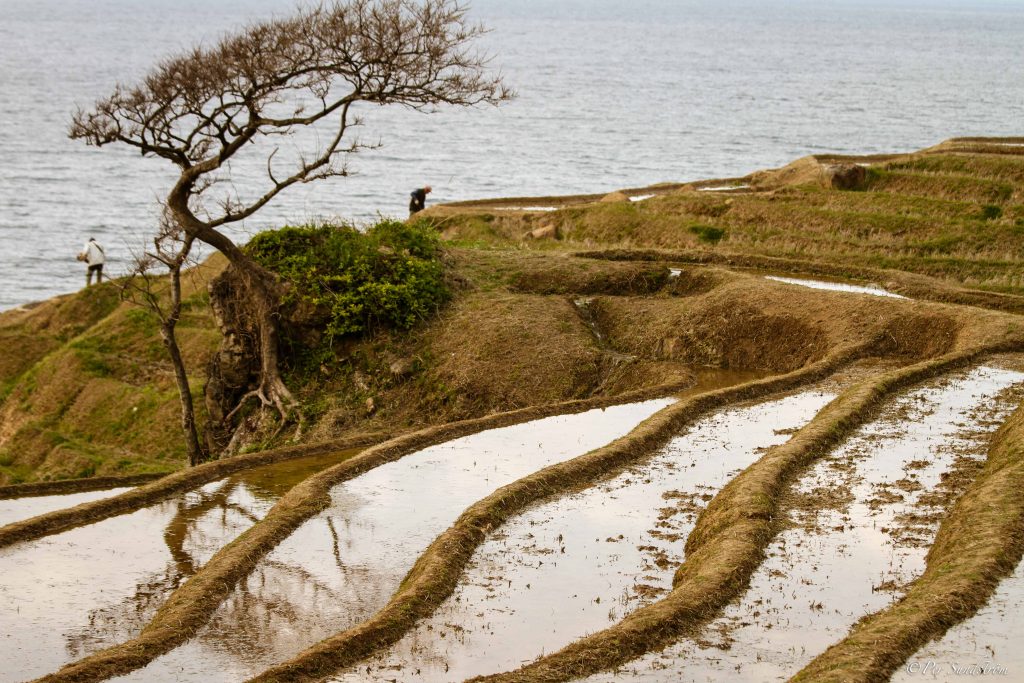
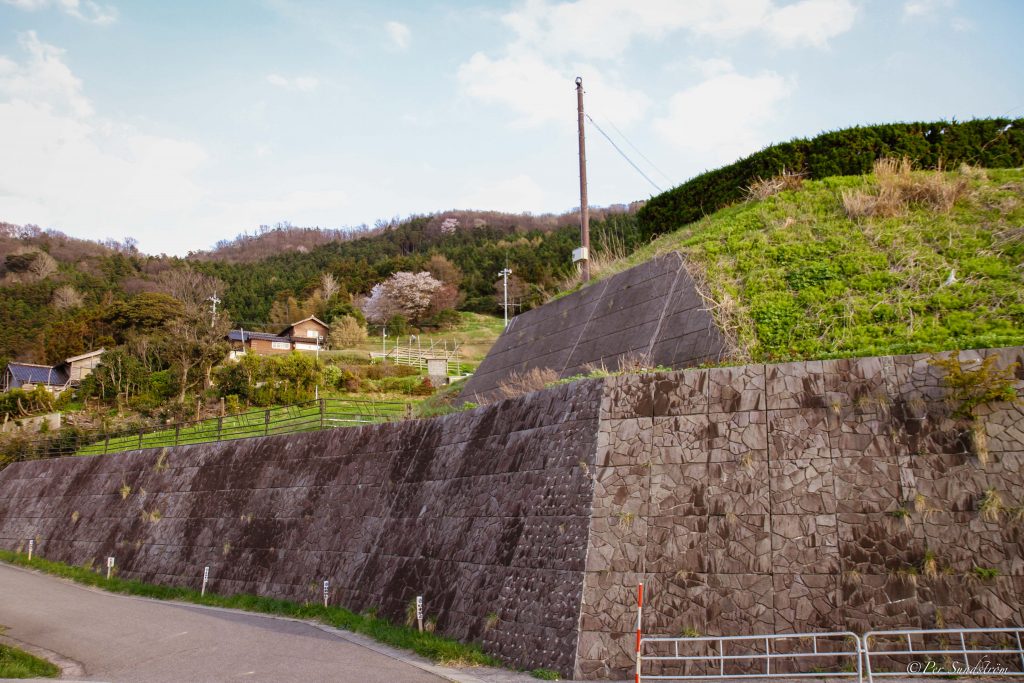
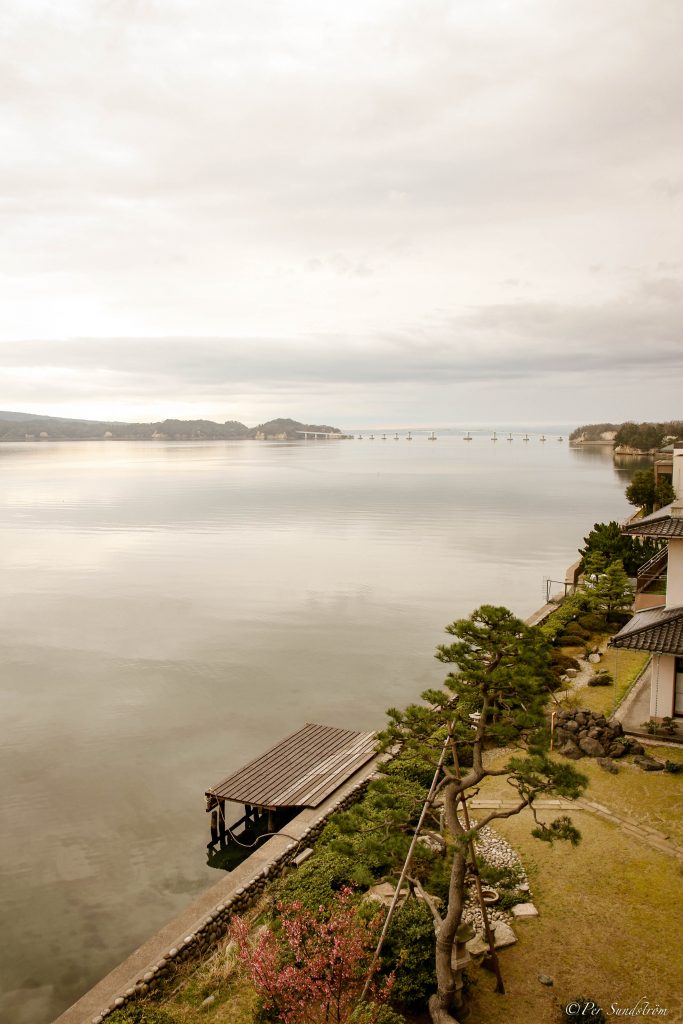
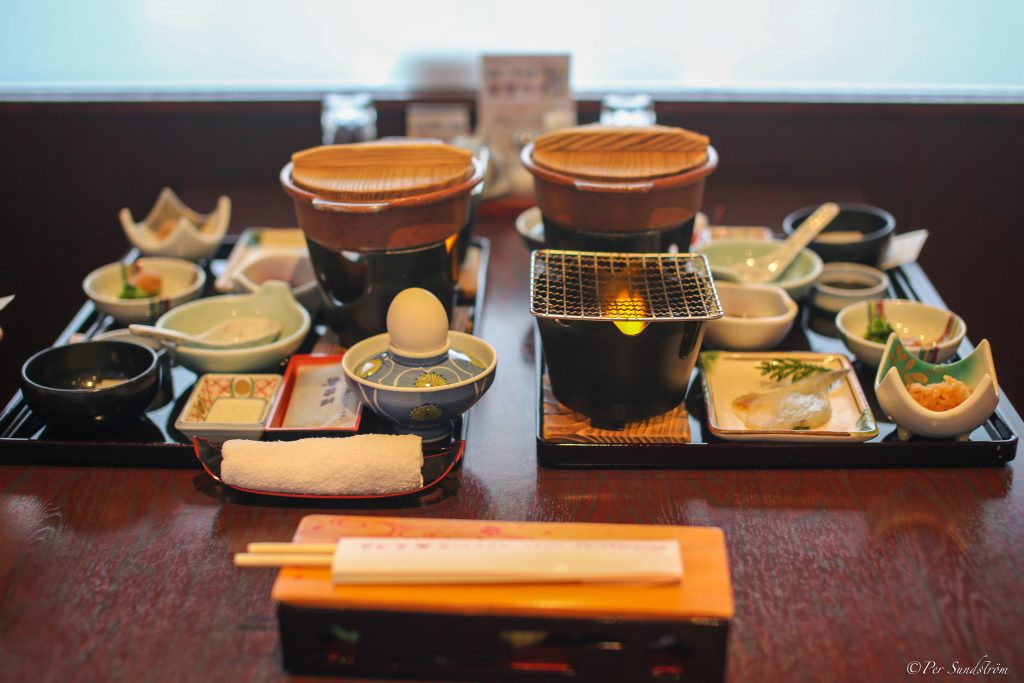
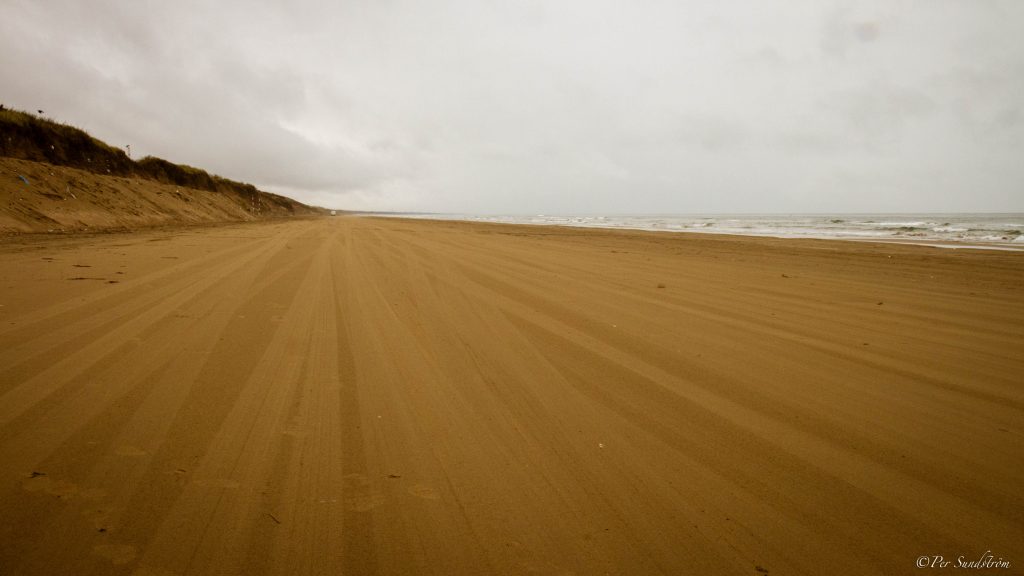
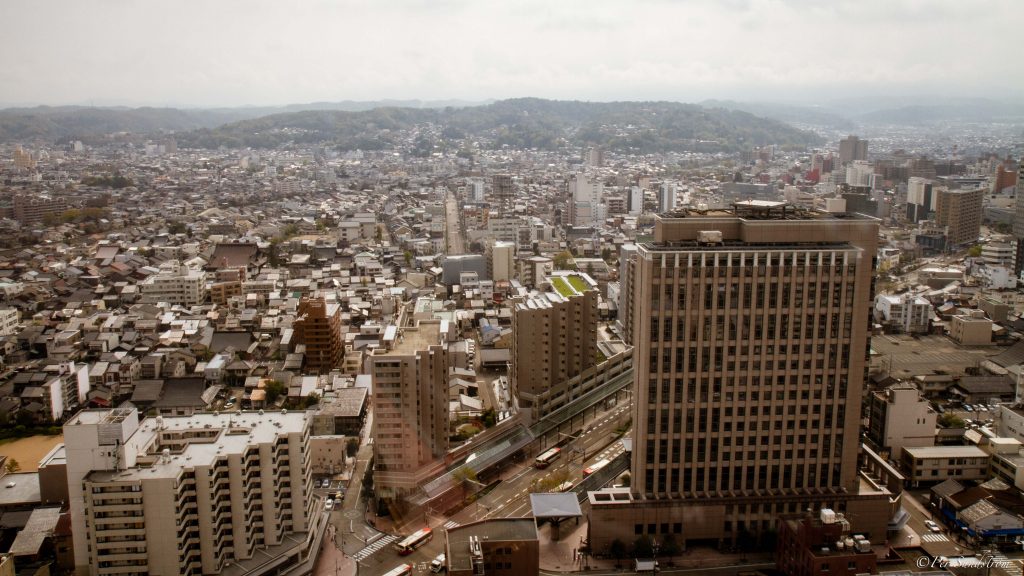
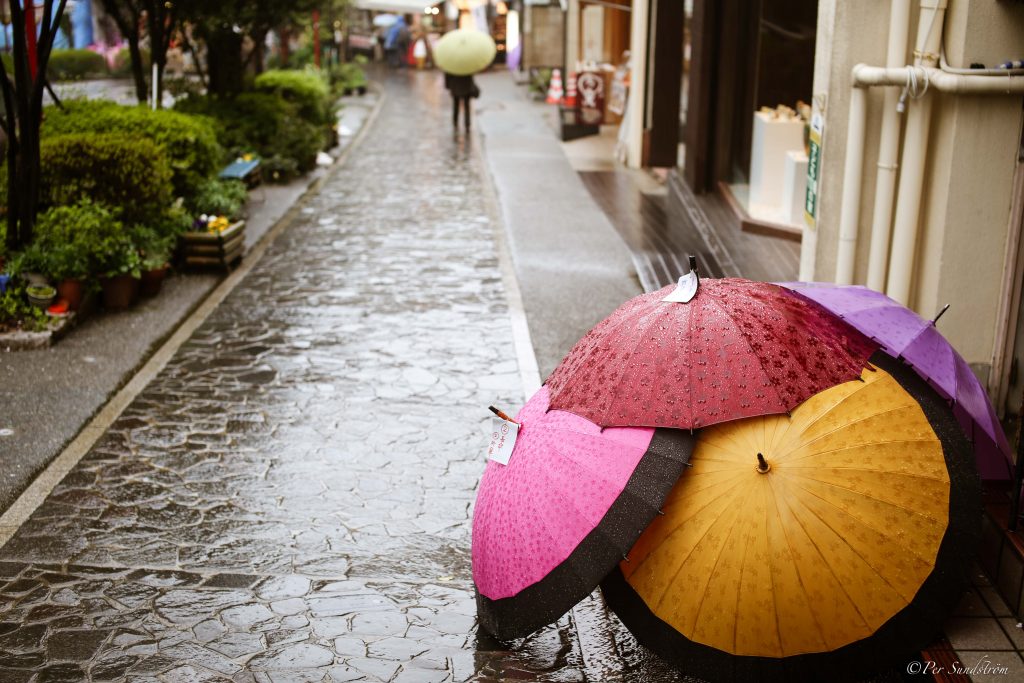
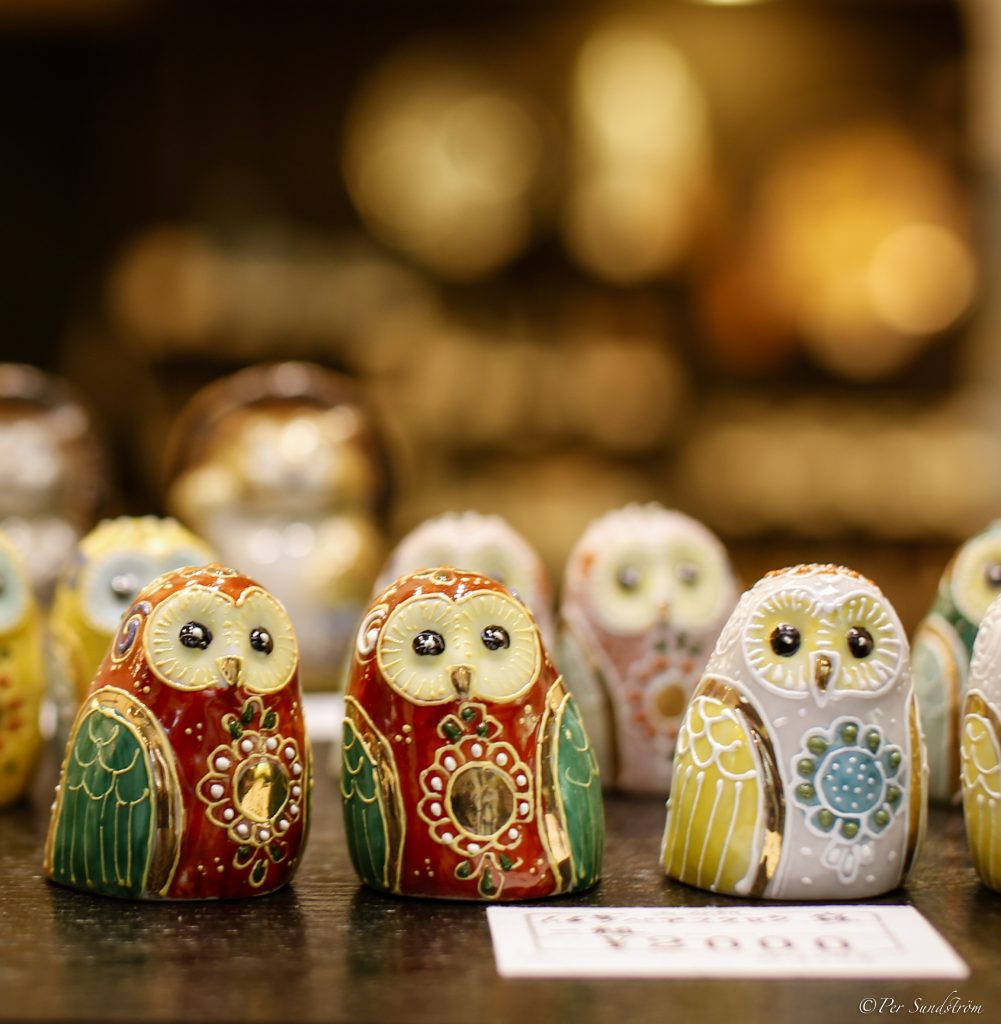
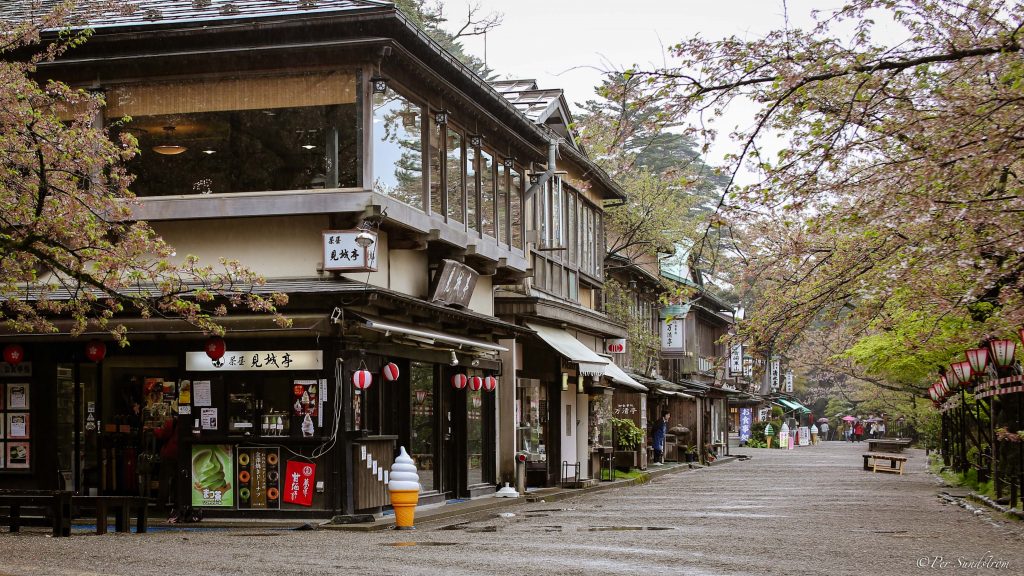
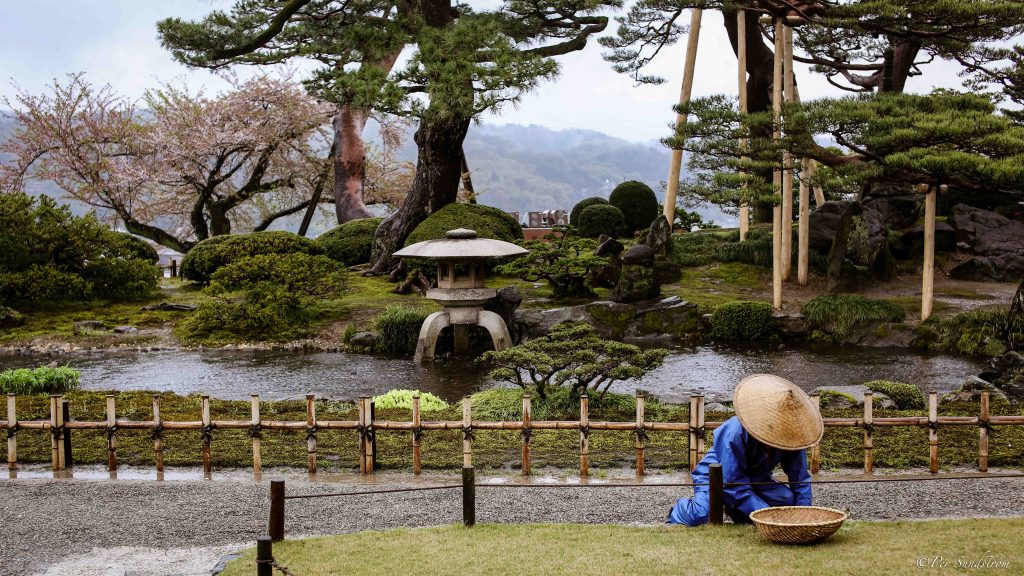
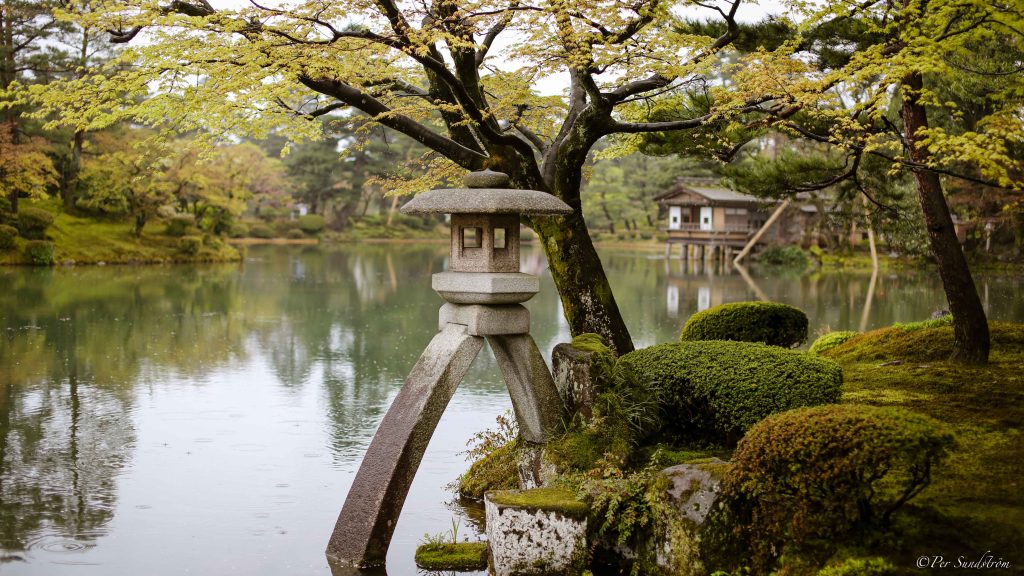
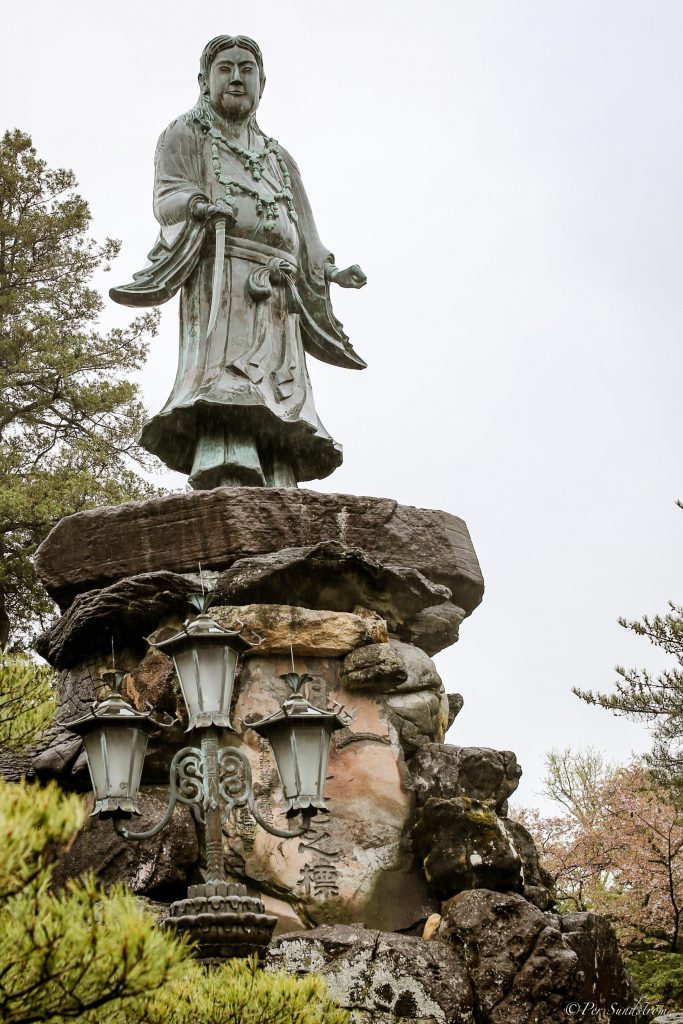
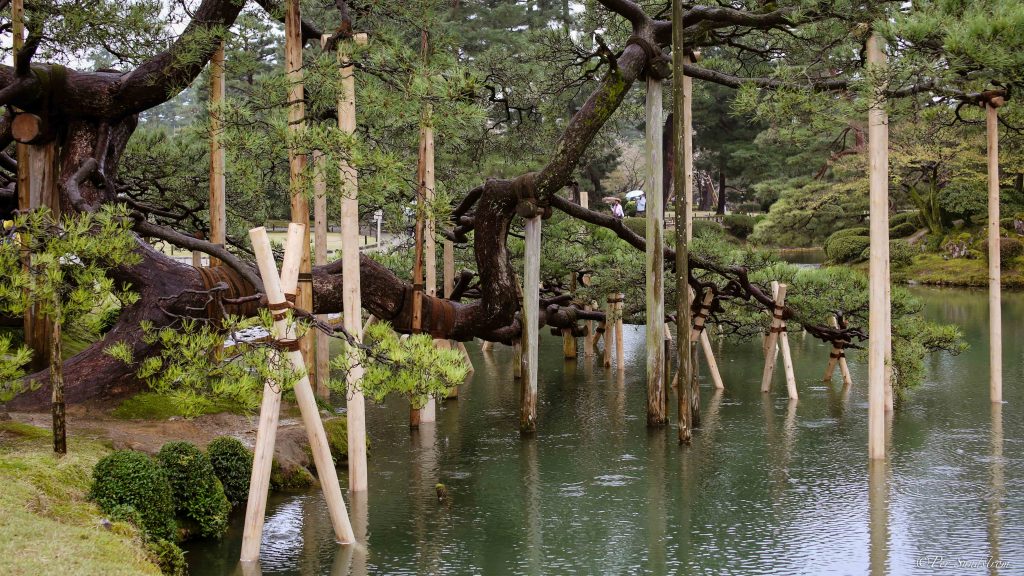
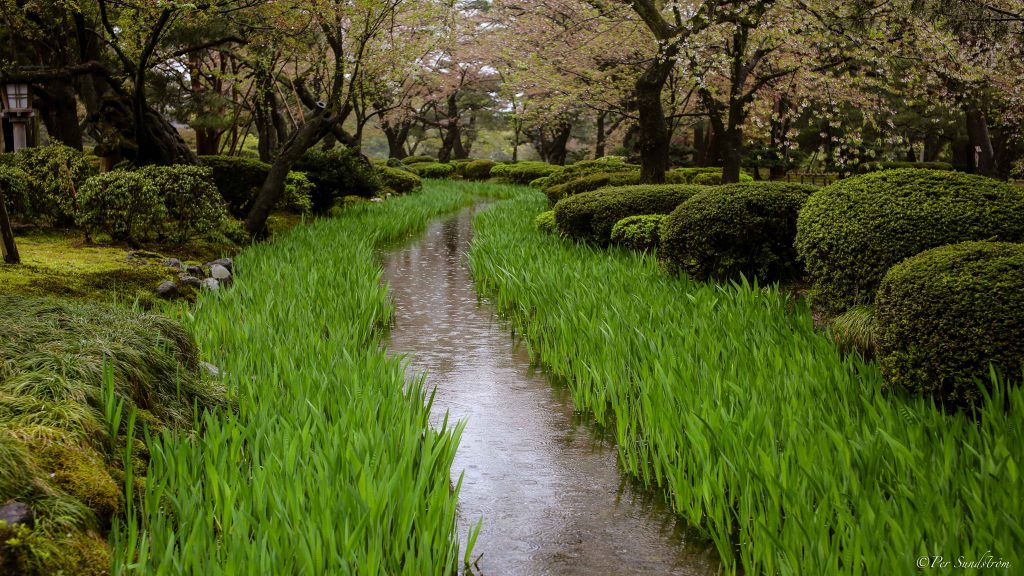
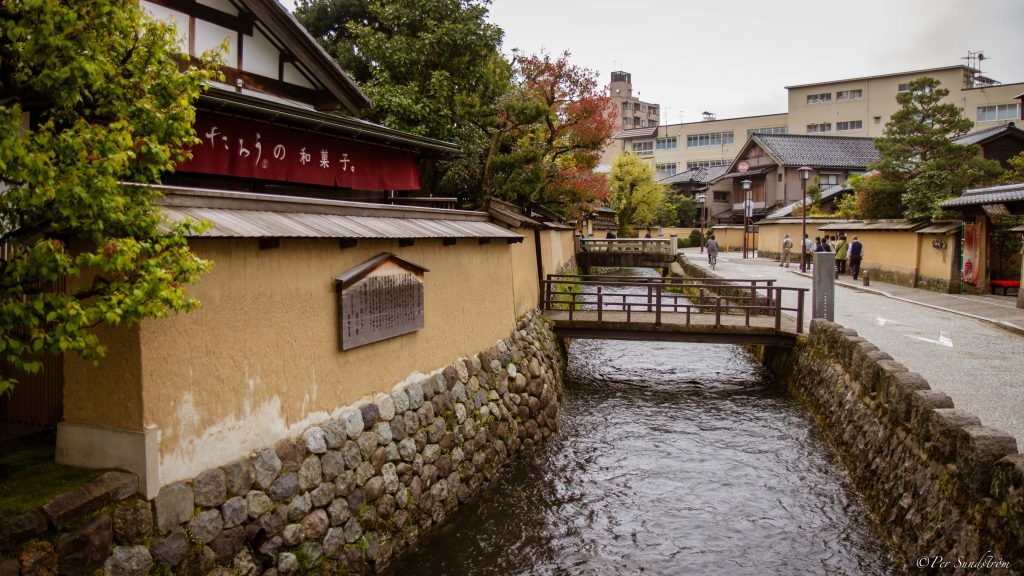
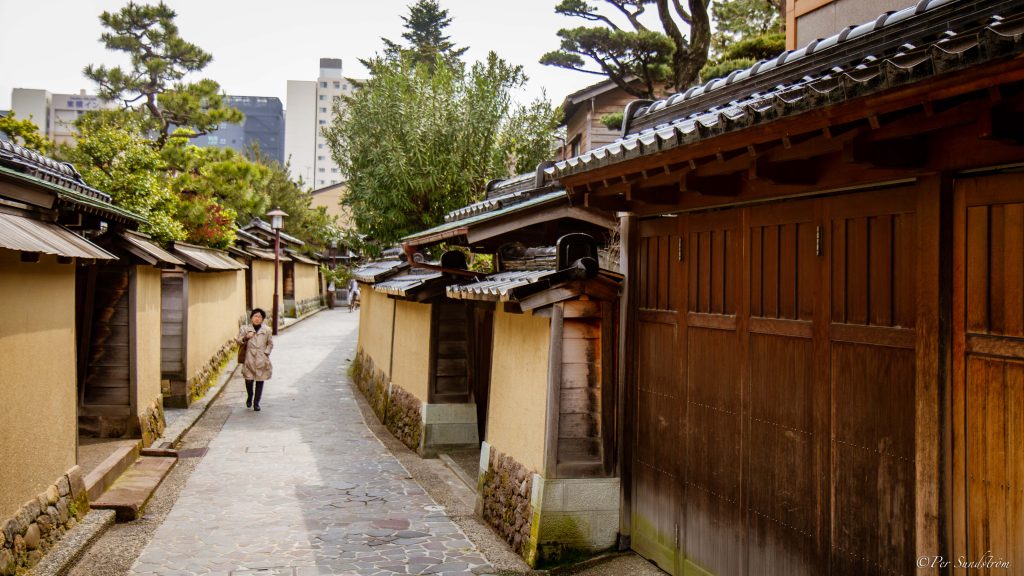
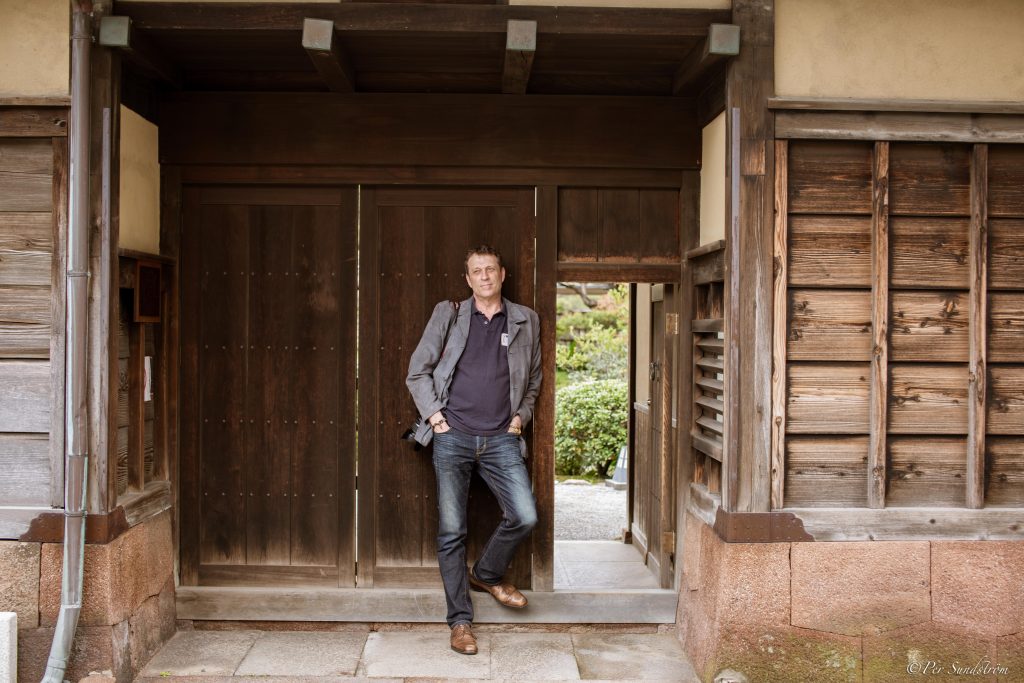
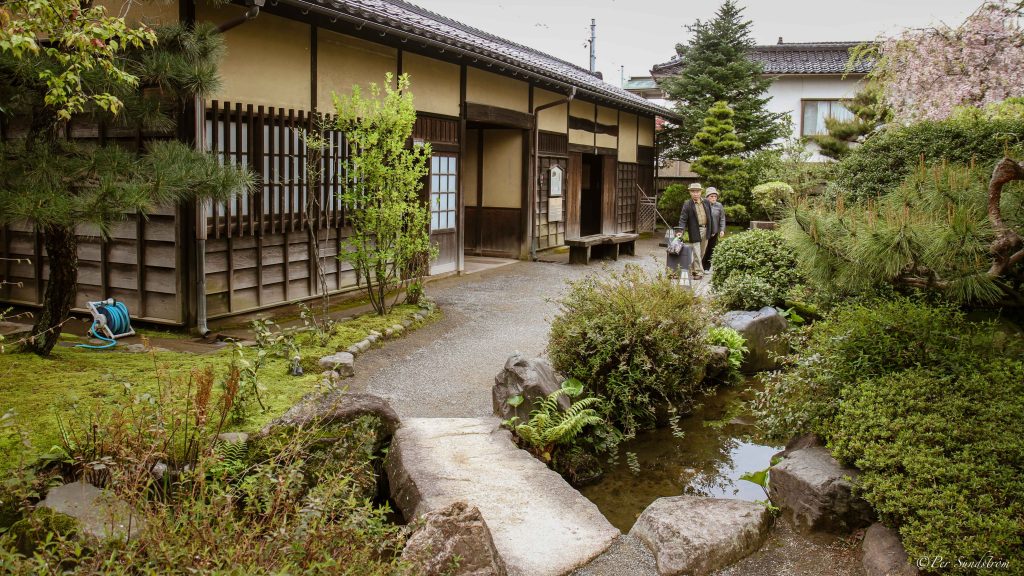
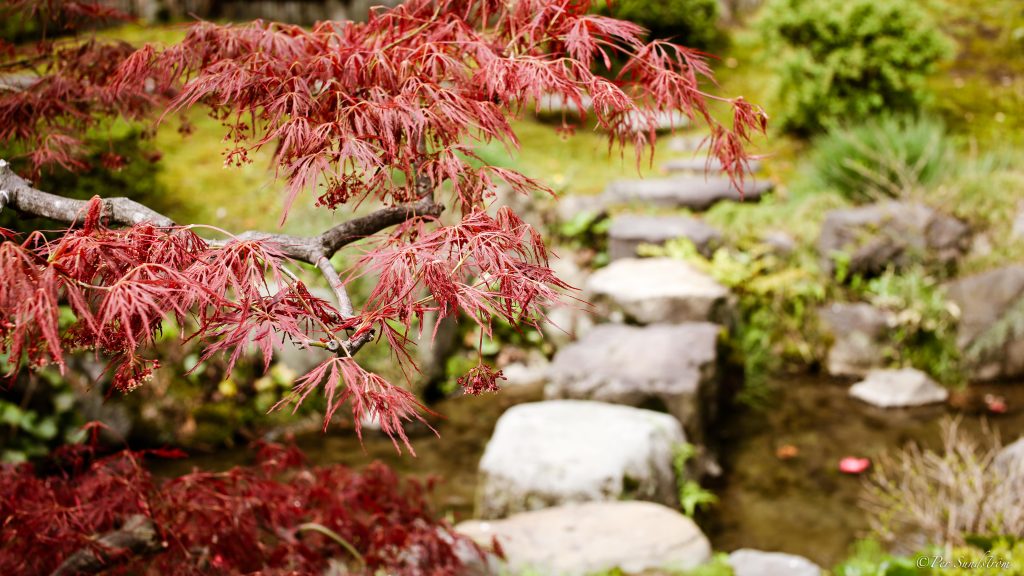
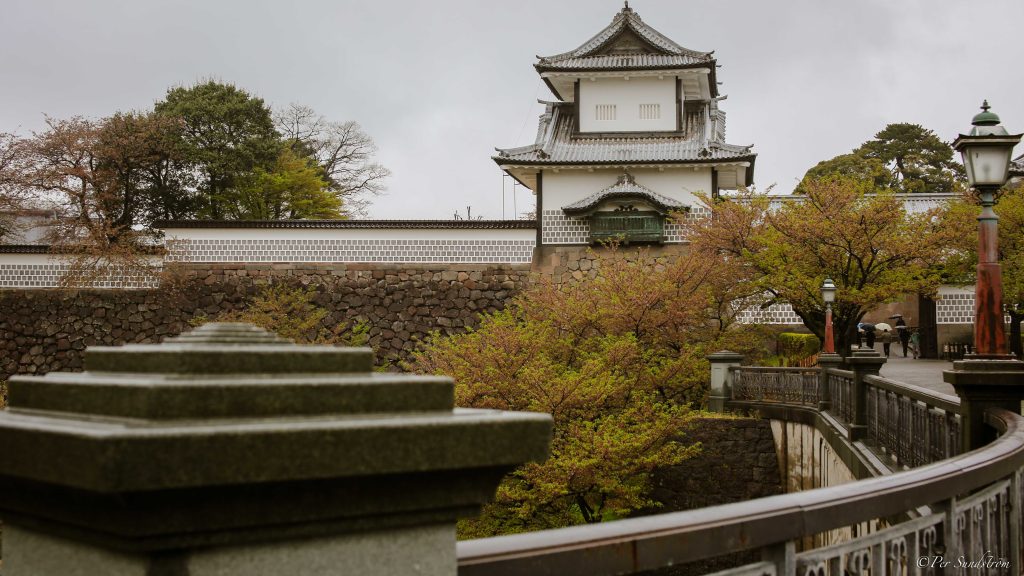
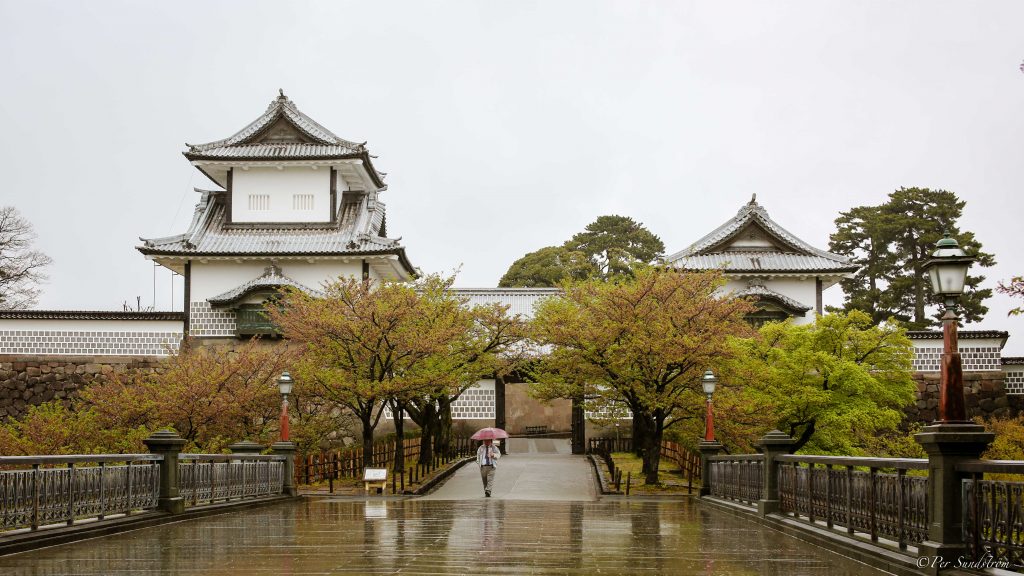
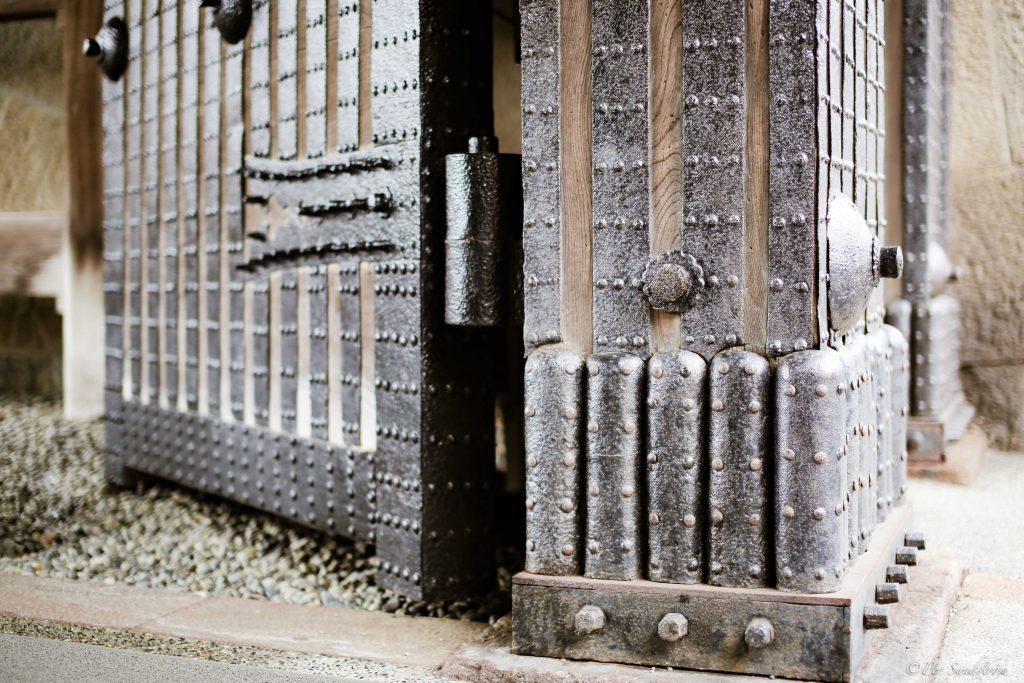
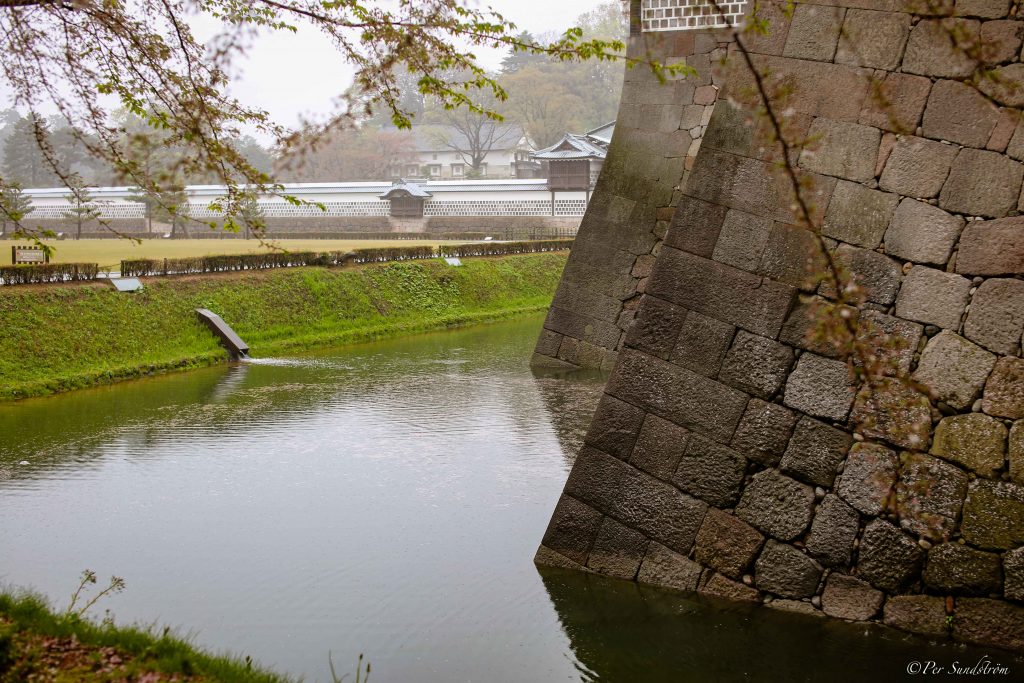
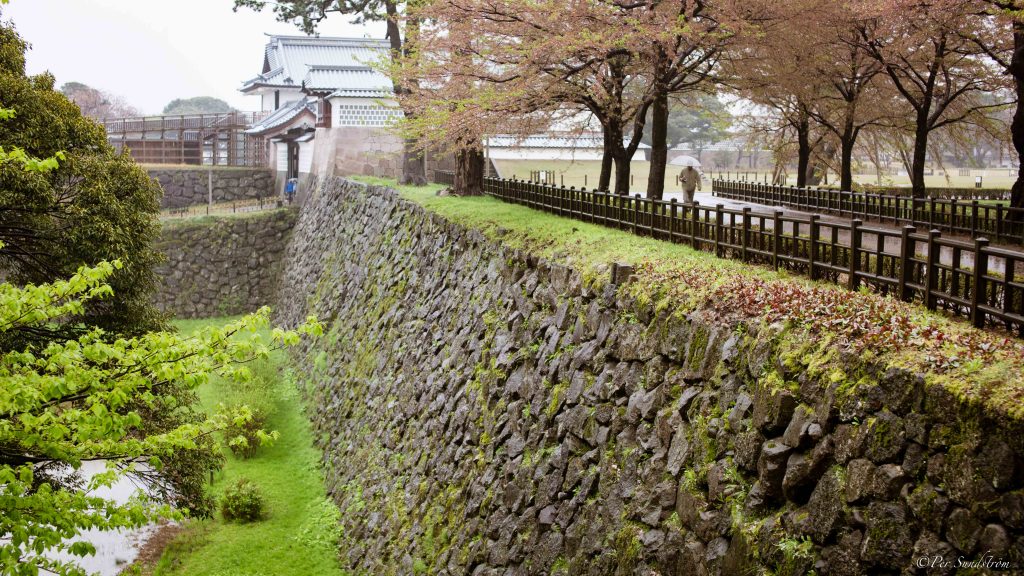
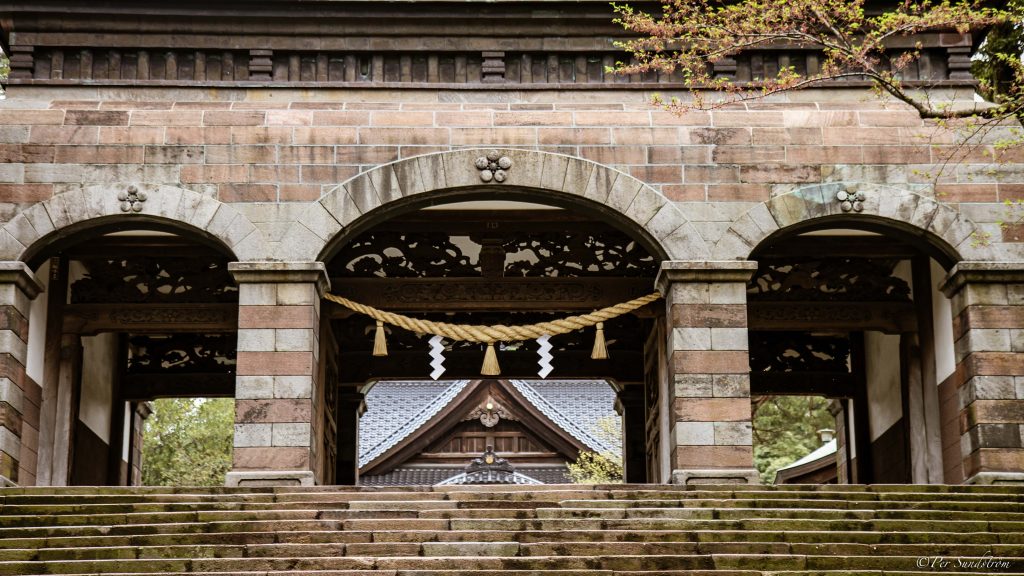
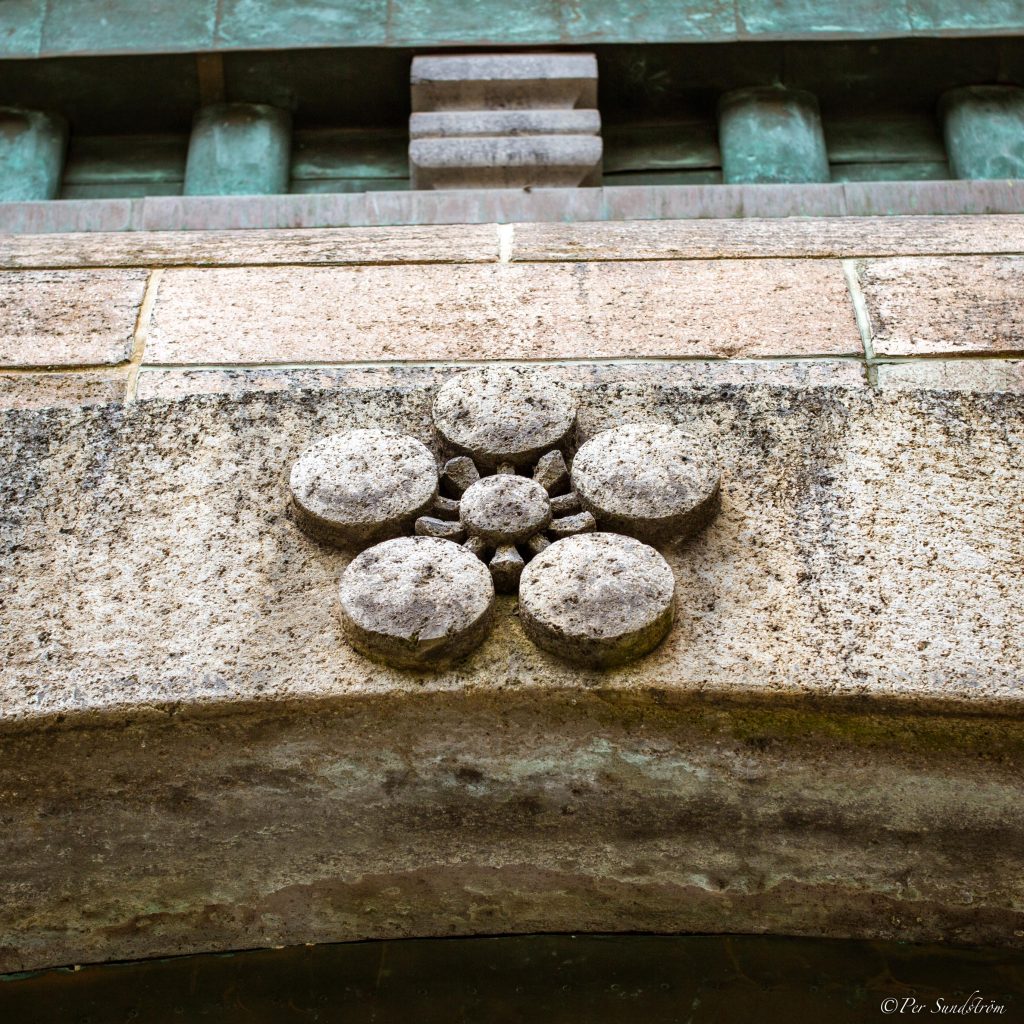
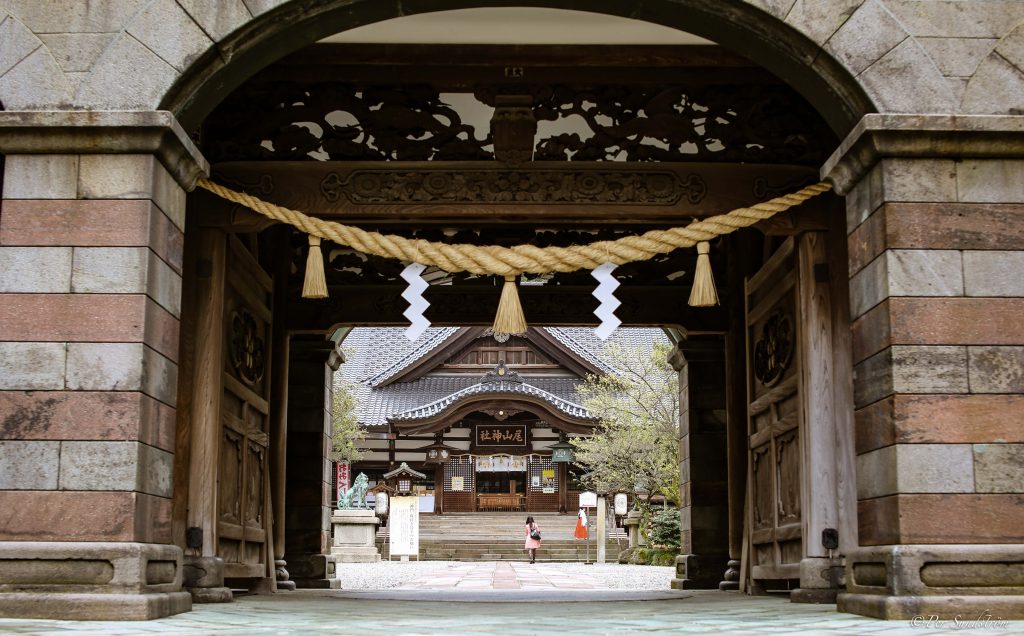
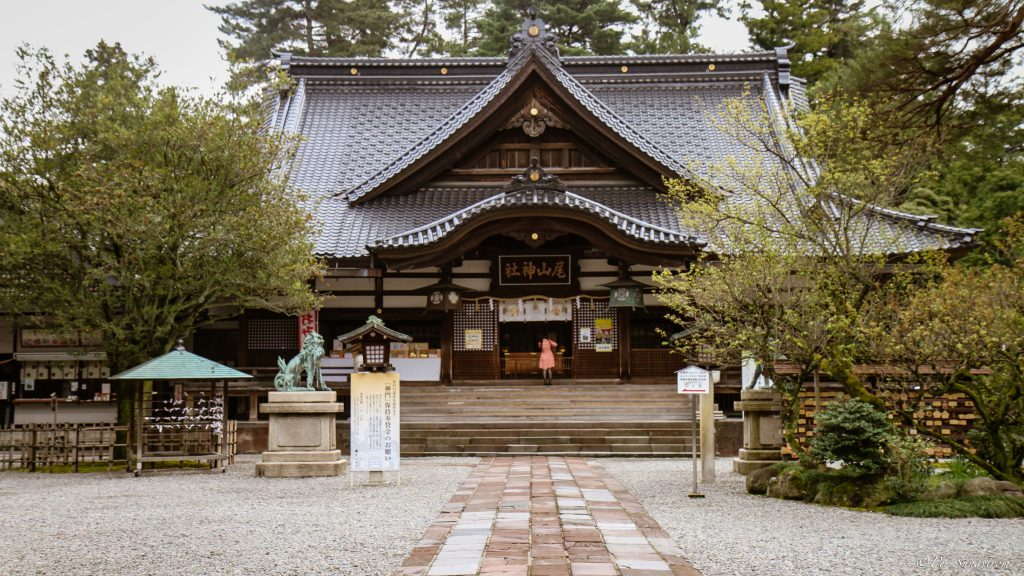
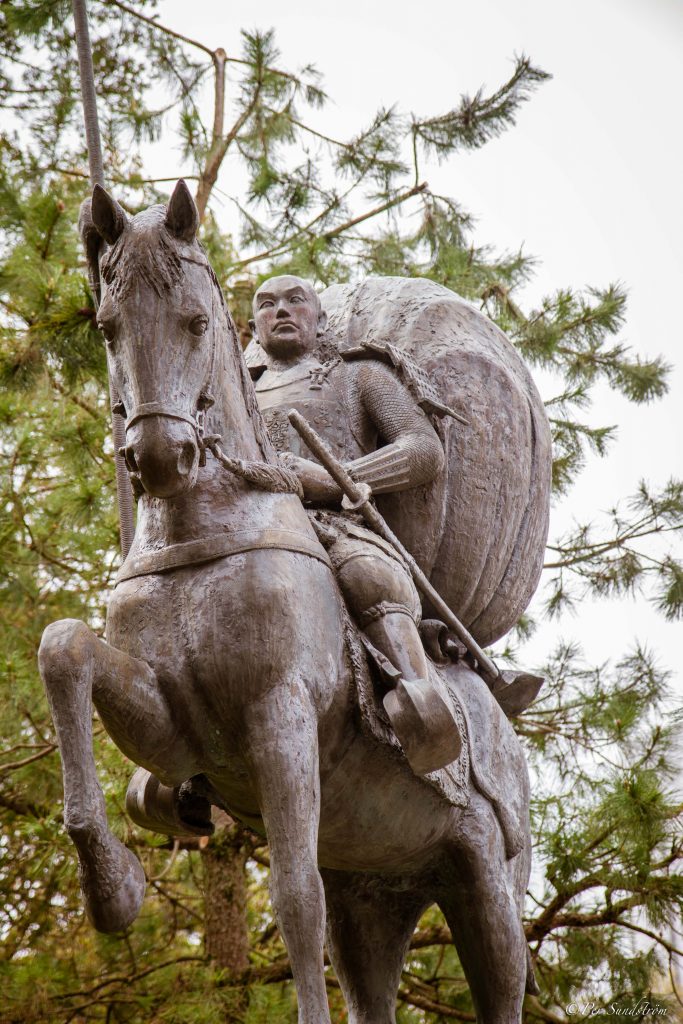
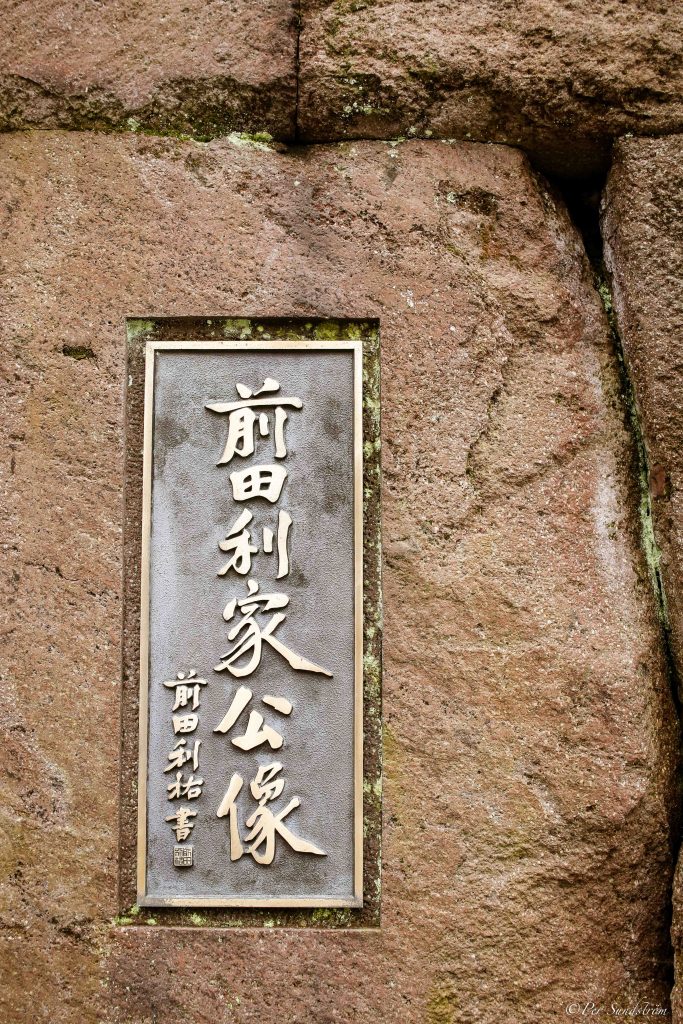
Shinkansen to Toyama, then by carTowards the coast, after tunnels through the Japanese AlpsAt Noto peninsulaNoto | A manufacturer of concrete lanterns presumably lives hereSenmaida on the Noto Peninsula | Sen means 1,000, mai is a counter for plots of land, and da means rice field. In other words: a thousand rice fieldsSenmaidaNoto peninsula | Landslide protection. In Japan 70% of the land consists of uninhabitable mountainous terrainHotel view in NanaoNanao breakfastBy the Sea of Japan, heading south towards Kanazawa along the Chirihama coastal roadKanazawa | As Gothenburg in terms of populationA rainy dayThe city is famous for these porcelain figurinesKanazawa | At the entrance to Kenroku-en – one of the three most famous parks in JapanEntrance feeKenroku-enKenroku-en Prince Yamato Take. A mythical hero. The statue was erected in memory of the samurai who died in the Satsuma Rebellion of 1877.Kenroku-enTrees in need of supportKenroku-enNagamachi – the city’s old samurai districtNagamachiThe samurai Takada and his family lived here at the end of the feudal era. He was certainly shorter than me (1.91 m).Takada’s courtyardJapanese feudal samurai-style garden The master of the samurai Takada-san—a daimyo (feudal lord)—lived not far away in the Maeda family’s castle. The second most powerful lord after the shogun Tokugawa in Tokyo during the Edo periodThe main entrance to the Maeda clan’s fortressGate built to withstandFeudal, with a moat and masonryMaeda’s fortress is large, difficult to get hold of. Hard to attack, one might supposeNot far from Oyama Shrine in NagamachiThe symbol above the gates indicates that it is a Kitano shrine, associated with a love for plum blossoms, poetry, and songsAbove the main gate are symbols indicating the shrine belongs to Shinto—Japan’s nature-oriented religion, which is associated with the nation’s origins. The white, lightning-like streamers, known as shide, represent, among other things, the infinite power of the godsThe Oyama shrineAt the Oyama Shrine stands this statue, depicting a samurai with his gear. It may well be a daimyo—one of the feudal lords of the Maeda clanThe characters (kanji) represent the name of the Maeda clanFinally our hotel in central Kanazawa